

🤖
RobotAI Expert in Landscaping

Soft Landscaping vs Hard Landscaping: What’s the Difference?

When planning a garden renovation, you’ll frequently hear the terms “soft landscaping” and “hard landscaping.” Understanding the difference between the two is crucial for creating a balanced, beautiful, and functional outdoor space.

What is Hard Landscaping?

Hard landscaping refers to the heavy, structural, and non-living elements of your garden — paved patios and pathways, retaining walls and brickwork, timber decks and pergolas, driveways, and fences and gates. Hardscaping provides the “bones” of the garden. It solves practical problems like drainage, creates usable living areas, and defines the boundaries of different garden zones.

What is Soft Landscaping?

Soft landscaping encompasses all the living, growing, and organic elements of your garden — planting trees, shrubs, and flowers, lawn installation, mulching and soil improvement, creating garden beds and borders, and ongoing weed management and pruning. Soft landscaping is what makes a garden feel like a garden. It softens the harsh lines of brick and concrete, provides shade and privacy, and creates a relaxing atmosphere.

The Importance of Balance

The most successful gardens achieve a perfect harmony between hard and soft landscaping. The hardscaping provides the structure and usability, while the softscaping provides the beauty and life.

Does Your Garden Need a Soft Landscaping Makeover?

If your garden has good “bones” but feels a bit lifeless, you likely don’t need a full structural renovation — you need a soft landscaping makeover. Contact Rob today for a free on-site assessment.
Why Regular Hedge Trimming is Essential for Your Property Value

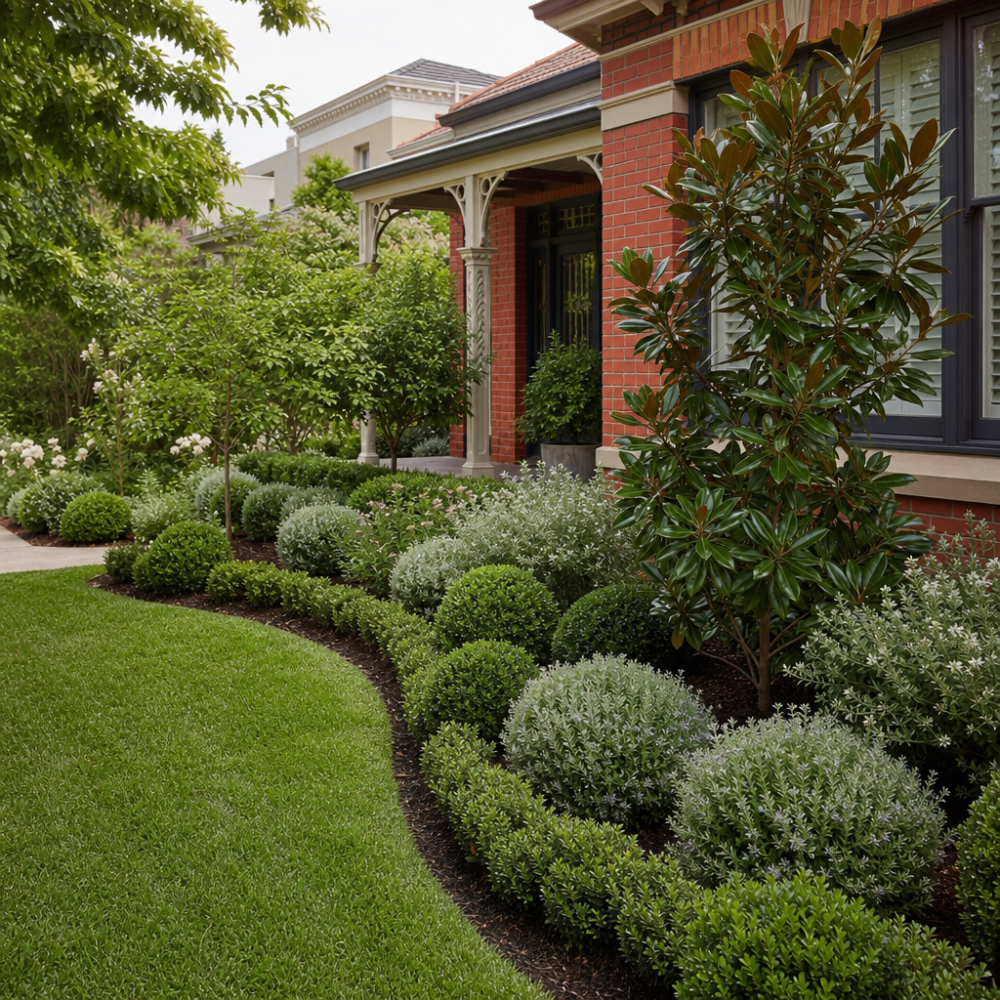
Hedges are a prominent feature in many gardens across Melbourne’s eastern suburbs. Whether it’s a formal Box hedge in Toorak or a native Lilly Pilly screen in Camberwell, hedges provide privacy, define boundaries, and add a touch of elegance to a property. However, a hedge is only an asset if it is properly maintained.

1. Encouraging Dense, Healthy Growth

Trimming a hedge isn’t just about controlling its size; it’s about stimulating growth. When you trim the tips of the branches, it encourages the plant to produce multiple new shoots further down the stem. Regular trimming is the only way to achieve that thick, dense, “solid wall” look. If a hedge is left unpruned for too long, it will become “leggy” and bare at the bottom.

2. Maintaining Clean, Architectural Lines

The primary appeal of a formal hedge is its sharp, geometric shape. Crisp lines instantly make a garden look manicured and high-end. A wonky or overgrown hedge makes the entire property look untidy, regardless of how well the rest of the garden is kept.

3. Preventing Disease and Pest Infestations

Overgrown hedges often suffer from poor air circulation and lack of sunlight reaching the inner branches. This creates a damp, dark environment that is a breeding ground for fungal diseases and pests. Regular trimming opens up the canopy, allowing light and air to penetrate.

4. Protecting Your Property Value

If you are planning to sell or lease your property, the state of your hedges will heavily influence the perceived value of the home. Perfectly manicured hedges signal that the property has been meticulously cared for, boosting street appeal and buyer confidence.

Professional Hedge Trimming in Melbourne

The Herbivore offers expert hedge trimming and comprehensive garden maintenance services across Melbourne’s eastern suburbs. Call Rob on 1300 561 815 to arrange a free on-site assessment.

5 Low-Maintenance Plants Perfect for Eastern Suburbs Gardens

We all love the look of a lush, vibrant garden, but not everyone has the time to spend their entire weekend weeding, pruning, and watering. If you live in Melbourne’s eastern suburbs and want a stunning outdoor space that practically looks after itself, the secret lies in clever plant selection.

1. Lomandra longifolia (Spiny-headed Mat-rush)

This tough, native Australian grass is a staple in low-maintenance landscaping. It forms dense, attractive clumps of bright green foliage and is incredibly drought-tolerant, frost-resistant, and rarely suffers from pests or diseases. It’s perfect for borders, mass planting, or stabilizing slopes.

2. Westringia fruticosa (Coastal Rosemary)

Don’t let the delicate appearance fool you; Coastal Rosemary is virtually indestructible. This native shrub features silvery-grey foliage and small white or pale blue flowers that bloom almost year-round. It responds beautifully to light pruning, making it an excellent choice for low, formal hedges.

3. Dianella tasmanica (Tasman Flax-lily)

The Tasman Flax-lily offers broad, strappy leaves and striking blue berries in summer. It’s highly adaptable, tolerating everything from dry shade under established trees to full sun. It requires almost zero maintenance once established.

4. Correa alba (White Correa)

Correa alba has attractive, rounded grey-green leaves and produces bell-shaped white flowers from autumn through to spring. It’s drought-tolerant and requires minimal pruning — a wonderful plant for attracting wildlife to your garden.

5. Liriope muscari (Blue Flax-lily)

Liriope forms neat clumps of dark green, grass-like foliage and produces spikes of purple flowers in late summer. It’s an exceptional border plant or groundcover, particularly in shaded areas where other plants struggle.

Designing Your Low-Maintenance Space

If you’re looking to redesign your garden for easier upkeep, The Herbivore’s soft landscaping team can help create a beautiful, low-stress outdoor space tailored to your lifestyle.

How to Prepare Your Melbourne Garden for a Spring Auction

When selling a property in Melbourne’s competitive eastern suburbs, first impressions are everything. Before a potential buyer even steps through your front door, they have already formed an opinion based on your garden. A well-presented, manicured landscape can add tens of thousands of dollars to your final auction price, while an overgrown, neglected yard can turn buyers away instantly.

The Power of Street Appeal

Real estate agents consistently report that properties with high street appeal sell faster and for higher prices. A pre-auction garden makeover is one of the most cost-effective ways to boost this appeal. It’s not about completely redesigning your landscape; it’s about maximizing the potential of what you already have.

Key Focus Areas for a Pre-Sale Makeover

1. Lawn Restoration

A lush, green lawn is incredibly inviting. This may involve weed removal, fertilizing, edging, or in some cases, laying fresh turf for an instant transformation.

2. Pruning and Hedging

Overgrown shrubs and hedges make a property look untidy and can block natural light. Sharp, clean lines on hedges instantly elevate the look of the entire property.

3. Mulching

Adding a fresh layer of dark mulch to garden beds is the quickest way to make a garden look clean, modern, and well-maintained. It suppresses weeds and provides a beautiful contrast against green foliage.

4. Pressure Cleaning

Don’t forget the hard surfaces. Pressure cleaning driveways, pathways, and patios removes years of built-up grime and makes the property look fresh and cared for.

Maintaining the Look Throughout the Campaign

A garden makeover isn’t a one-off job. Your property needs to look its absolute best for every open inspection throughout your sales campaign. At The Herbivore, we specialise in boutique pre-auction garden makeovers across Melbourne’s eastern suburbs. Contact us today to ensure your property makes the perfect first impression.

Garden Makeovers in Kew That Lift Street Appeal and Make Outdoor Living Easier

Why a smart garden makeover starts with the way you live

A good garden makeover is not just a tidy-up. It changes how you use your outdoor space. For many homes in Kew, that means better street appeal, easier care, healthier plants, and a garden that looks calm through Melbourne’s hot, wet, windy and dry spells.

At The Herbivore, we plan garden makeovers around real daily use. We look at how you enter the home, where the afternoon sun lands, where leaves collect, how children or pets move through the space, and which areas feel tired or overgrown. Then we shape a clear plan that suits the home, the soil, and the level of care you want.

If you are comparing garden makeovers in Kew, start with one honest question: what should the garden do better after the work is complete? It may need to frame a period facade, soften a new build, create a better outdoor dining area, or improve the first impression before a local auction campaign. The best result comes from making each choice serve that goal.

What a Kew garden makeover can include

Every site is different, but most strong makeovers combine design thinking with practical horticulture. A garden can look fresh for a few weeks after pruning and mulching. A proper makeover should keep improving as the plants settle in.

Site clean-up and structure

The first step is often subtraction. We remove tired growth, dead plants, weeds, poorly placed shrubs, and crowded areas that block light or airflow. This opens up the garden and shows what is worth keeping. In older gardens, we often find strong bones hidden under years of overgrowth.

Soil conditioning

Soil is where a makeover either succeeds or struggles. Many eastern suburb gardens have compacted areas from building work, old paths, heavy foot traffic, or years of shallow watering. We improve soil structure with careful cultivation, organic matter, drainage checks, and the right pH thinking for the chosen plants. Healthy soil means stronger roots, less stress, and fewer long-term plant losses.

Plant selection and placement

Planting should suit the home, not fight it. We often use a mix of structure, softness, screening, and seasonal interest. In local conditions, reliable choices can include Westringia for low, hardy form, Pittosporum for screening, Buxus for clipped edges, and Magnolia ‘Little Gem’ for evergreen height and flowers. These plants can work well when matched to the right light, soil, and spacing.

Pest and disease control

Weak plants attract problems. During a makeover, we check for common signs of stress, chewing damage, scale, fungal issues, and root problems. We aim for sensible pest and disease control that starts with plant health, airflow, watering habits, and correct pruning. Treatments are used only where needed and with care for the wider garden.

Before and after thinking: what really changes?

Before a makeover, many gardens have the same issues. The lawn edges are unclear. The entry path feels narrow. Plants are competing for space. Mulch has broken down. Irrigation is patchy. Some areas look full in winter but dry and tired by late summer.

After a well-planned makeover, the garden should feel simpler. Beds have clear lines. Views to the front door are open. Screening is placed where privacy is needed. Feature plants have room to grow. The soil holds moisture better. Maintenance is more predictable.

This before-and-after thinking is useful for both lifestyle and property value. Around Melbourne’s spring and early autumn property auction cycles, a neat and established garden can help buyers feel the home has been cared for. You do not always need a full rebuild. Sometimes the biggest lift comes from soil work, selective removal, sharper edges, better planting layers, and a cleaner entry experience.

Local climate matters more than trends

Melbourne’s weather can swing hard. A cool week can be followed by a hot northerly. Heavy rain can arrive after dry soil has become water-repellent. That is why Kew garden makeovers need more than a nice mood board. They need plant choices and soil preparation that can handle local change.

Autumn is one of the best times to plant, because the soil is still warm and new roots can establish before winter. Spring is also strong, especially when the garden has irrigation and regular follow-up care. For turf renewal, autumn and early spring can both work well, depending on shade, drainage, and expected use.

We also consider microclimates. A west-facing bed near brick paving can be much hotter than a shaded side path. A front garden under large canopy trees may need a different planting approach from an open rear lawn. These small details are often the difference between a garden that survives and one that thrives.

Sustainable choices that still look premium

Eco-friendly garden practices do not mean a wild or unfinished look. A sustainable garden can be clean, formal, soft, or modern. The key is to reduce waste, improve plant resilience, and avoid choices that need constant rescue.

For garden makeovers Kew homeowners often ask for lower maintenance without losing style. We focus on practical steps:

  • Improving soil so plants need less frequent watering.
  • Choosing plants that suit the light and site conditions.
  • Using mulch to protect roots and reduce weeds.
  • Pruning for long-term shape, not just a quick short cut.
  • Keeping green waste and plant removal sensible and planned.
  • Encouraging healthier plant growth so pest issues are less likely.

This approach saves time and can reduce avoidable replacement costs. It also helps the garden cope better during dry spells and sudden rain.

Rough cost expectations for a garden makeover

Costs vary because gardens vary. Access, plant sizes, soil condition, green waste, irrigation, turf, edging, and the number of trades involved all affect the final price. As a guide, a small refresh may begin with a focused clean-up, soil improvement, mulch, pruning, and selective planting. A more complete makeover with new garden beds, larger plants, lawn repair, and detailed finishing will cost more.

For many established homes, it helps to think in stages. Stage one may be clearing, pruning, soil conditioning, and bed definition. Stage two may be planting, mulching, pest and disease work, and lawn improvement. Stage three may be ongoing maintenance to keep the new look sharp.

The cheapest option is rarely the best value if the soil is ignored or the wrong plants are installed. Paying for proper preparation often saves money later, because plants establish faster and need fewer replacements.

How The Herbivore approaches the work

Our process is simple and practical. We visit the site, listen to what you want to change, and assess the garden as a living system. We look at soil, light, drainage, plant health, access, and the style of the home. Then we recommend a clear path forward.

We can help with one-off garden makeovers, pre-sale improvements, seasonal refreshes, and ongoing care after the makeover is complete. You can learn more about our local approach through The Herbivore garden services.

Good garden work should feel calm and organised. You should know what is being removed, what is being kept, what is being planted, and how the garden should be cared for afterwards. That clarity is what helps a makeover last.

Frequently Asked Questions

How long does a garden makeover in Kew usually take?

A small refresh may take one to three days. A larger makeover with soil conditioning, new planting, lawn repair, and pest control may take longer. Timing depends on access, green waste, plant supply, and weather.

What is the best time of year to start a Kew garden makeover?

Autumn is often ideal because the soil is warm and plants can establish before winter. Spring can also work well, especially for fresh planting and turf work before summer heat arrives.

Can you improve my garden before a Kew property auction?

Yes. A focused pre-sale makeover can improve street appeal quickly. We often prioritise pruning, weeding, mulch, lawn edges, soil improvement, and clean planting near entries and outdoor living areas.

Do you offer sustainable garden makeovers in Kew?

Yes. We use practical sustainable methods such as soil conditioning, suitable plant selection, mulching, water-wise planning, and careful pest and disease control to support long-term garden health.

Ready for a tidier, more valuable garden? Call us on 1300 561 815 or email robert@theherbivore.com.au to book a consultation. Based in Melbourne’s eastern suburbs.

The Founding of YouTube A Short History

YouTube is one of the most influential platforms in modern media, but its origin story is surprisingly simple: a small team wanted an easier way to share video online. In the early 2000s, uploading and sending video files was slow, formats were inconsistent, and most websites weren’t built for smooth playback. YouTube’s founders focused on removing those barriers—making video sharing as easy as sending a link.

Who Founded YouTube?

YouTube was founded by three former PayPal employees: Chad Hurley, Steve Chen, and Jawed Karim. They combined product thinking, engineering skills, and a clear user goal: create a website where anyone could upload a video and watch it instantly in a browser.

  • Chad Hurley — product/design focus and early CEO role
  • Steve Chen — engineering and infrastructure
  • Jawed Karim — engineering and early concept support

The Problem YouTube Solved

At the time, sharing video often meant emailing huge files or dealing with complicated players and downloads. YouTube made video:

  1. Uploadable by non-experts (simple interface)
  2. Streamable in the browser (no special setup)
  3. Sharable through links and embedding on other sites

Early Growth and the First Video

YouTube launched publicly in 2005. One of the most famous early moments was the first uploaded video, “Me at the zoo,” featuring co-founder Jawed Karim. The clip was short and casual—exactly the kind of everyday content that proved the platform’s big idea: ordinary people could publish video without needing a studio.

Key Milestones Timeline

Year/Date
Milestone
Why It Mattered
2005 YouTube is founded and launches Introduced easy browser-based video sharing
2005 “Me at the zoo” is uploaded Became a symbol of user-generated video culture
2006 Google acquires YouTube Provided resources to scale hosting and global reach

Why Google Bought YouTube

By 2006, YouTube’s traffic was exploding. Video hosting is expensive—bandwidth and storage costs rise fast when millions of people watch content daily. Google’s acquisition gave YouTube the infrastructure and advertising ecosystem to grow into a sustainable business.

What YouTube’s Founding Changed

YouTube didn’t just create a popular website; it reshaped how people learn, entertain themselves, and build careers online. Its founding helped accelerate:

  • Creator-driven media and influencer culture
  • How-to education and free tutorials at massive scale
  • Music discovery, commentary, and global community trends

From a small startup idea to a global video powerhouse, YouTube’s founding is a classic example of a simple product solving a real problem—and changing the internet in the process.

The Herbivore eats up gardening all across Melbourne’s eastern suburbs. Specialising in soft landscaping, garden makeovers and garden maintenance.

We eat up gardening

Soft Landscaping
Pre-Auction Garden Makeovers
Commercial Soft Landscaping
Landscape Gardener
Garden Maintenance

All Year Round


Connect